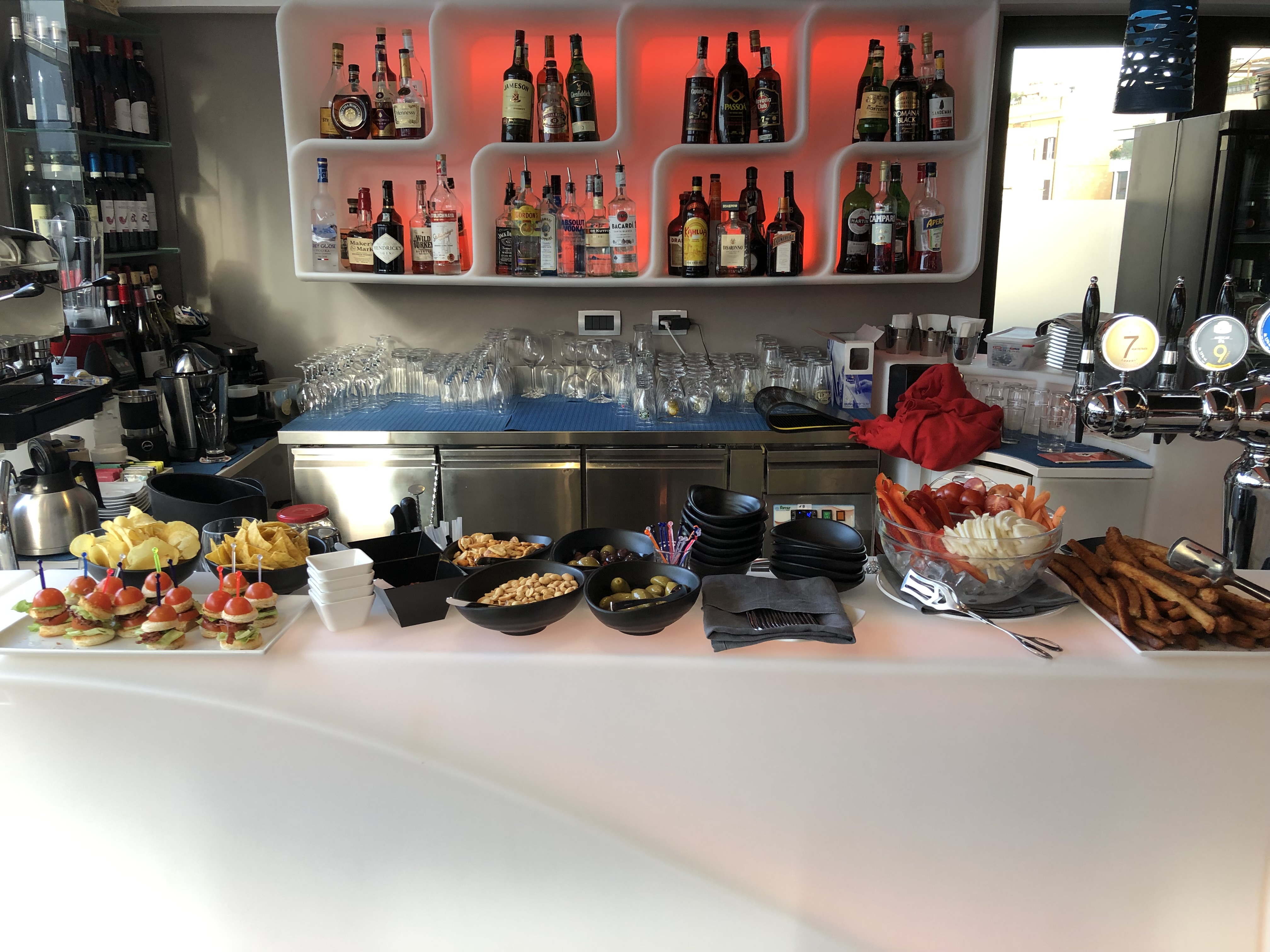
Cicchetti (pronounced chee-KET-ee) are Venice's answer to tapas, pintxos, and every other small-bite tradition that exists across the Mediterranean. But unlike those other traditions, which have been thoroughly Instagrammed and restaurant-ified, cicchetti remain stubbornly local. You eat them standing at a bacaro (a Venetian wine bar), for about €1–2.50 per piece, usually between noon and 2pm or between 6pm and 8pm. You don't sit down. You don't linger over a menu. You point at what you want and you eat it in two bites.
The word cicchetti comes from the Latin ciccus — a small thing of no value. Which is precisely the wrong way to think about them.
The philosophy
Cicchetti are designed around a single principle: they should make you thirsty. Not uncomfortably so, not in a manipulative way — but in the natural way that salty, savoury, well-made food makes you want another sip of whatever is in your glass. They are not a meal. They are not a starter. They are a companion to the drink.
This is the key distinction that most aperitivo culture outside Italy misses. The food is not the point. The conversation is the point. The drink is the vehicle. The food exists to keep the conversation going by keeping the glass interesting.
The classic cicchetti families
Crostini and tramezzini
The backbone of any cicchetti spread. Crostini are small toasted bread rounds topped with almost anything — baccalà mantecato (whipped salt cod), speck and ricotta, anchovies and butter, radicchio and taleggio. Tramezzini are soft crustless white bread triangles with creamy fillings: tuna and caper, egg and olive, prawn and avocado (a modern addition that Venetian purists resist but customers love).
Polpette
Fried meatballs — smaller than the Roman version, slightly more compact, often with a mixture of beef and pork and bound with Parmigiano and breadcrumbs. A bacaro polpetta should be eaten immediately after frying, never reheated. The best ones have a crisp shell and a moist, loosely-packed interior. They pair well with any Spritz but are particularly good with Cynar — the artichoke bitterness cuts the meat richness cleanly.
Sarde in saor
Sweet-and-sour marinated sardines — one of Venice's oldest dishes, dating from the maritime trade era when vinegar and onions were used to preserve fish for long voyages. Cold-served, layered with softened onions, raisins, and pine nuts, finished with white wine vinegar and olive oil. The flavour is complex and unlike anything else in Italian cuisine: sweet, sour, fishy, and rich all at once. Mandatory on any serious cicchetti spread.
Mozzarella in carrozza
Mozzarella sandwiched between slices of white bread, dipped in egg, and fried until golden — essentially a fried cheese sandwich elevated to an art form. Popular in both Venice and Naples (where it originates), it has become a fixture of northern Italian aperitivo culture. Best when made with fior di latte rather than buffalo mozzarella — the lower moisture content means it melts without becoming watery.
What to pair with what
- Aperol Spritz → tramezzini, mild crostini, anything delicate and creamy
- Campari Spritz → polpette, cured meats, aged cheese, anything fatty and salty
- Cynar Spritz → anchovies, sarde in saor, anything with umami depth
- Select Spritz → baccalà mantecato, mozzarella in carrozza, seafood crostini
- Negroni → dark chocolate, aged Parmigiano, bitter greens with olive oil
The one thing to avoid
Sweet snacks with bitter aperitivi. This seems obvious but it's the mistake that most people make — chips and crisps work fine, but sweet crackers, sweet dips, or anything sugar-forward clashes brutally with Campari or Cynar. The bitterness amplifies against sweetness rather than being balanced by it. Stick to salt, fat, and umami and your aperitivo hour will take care of itself.