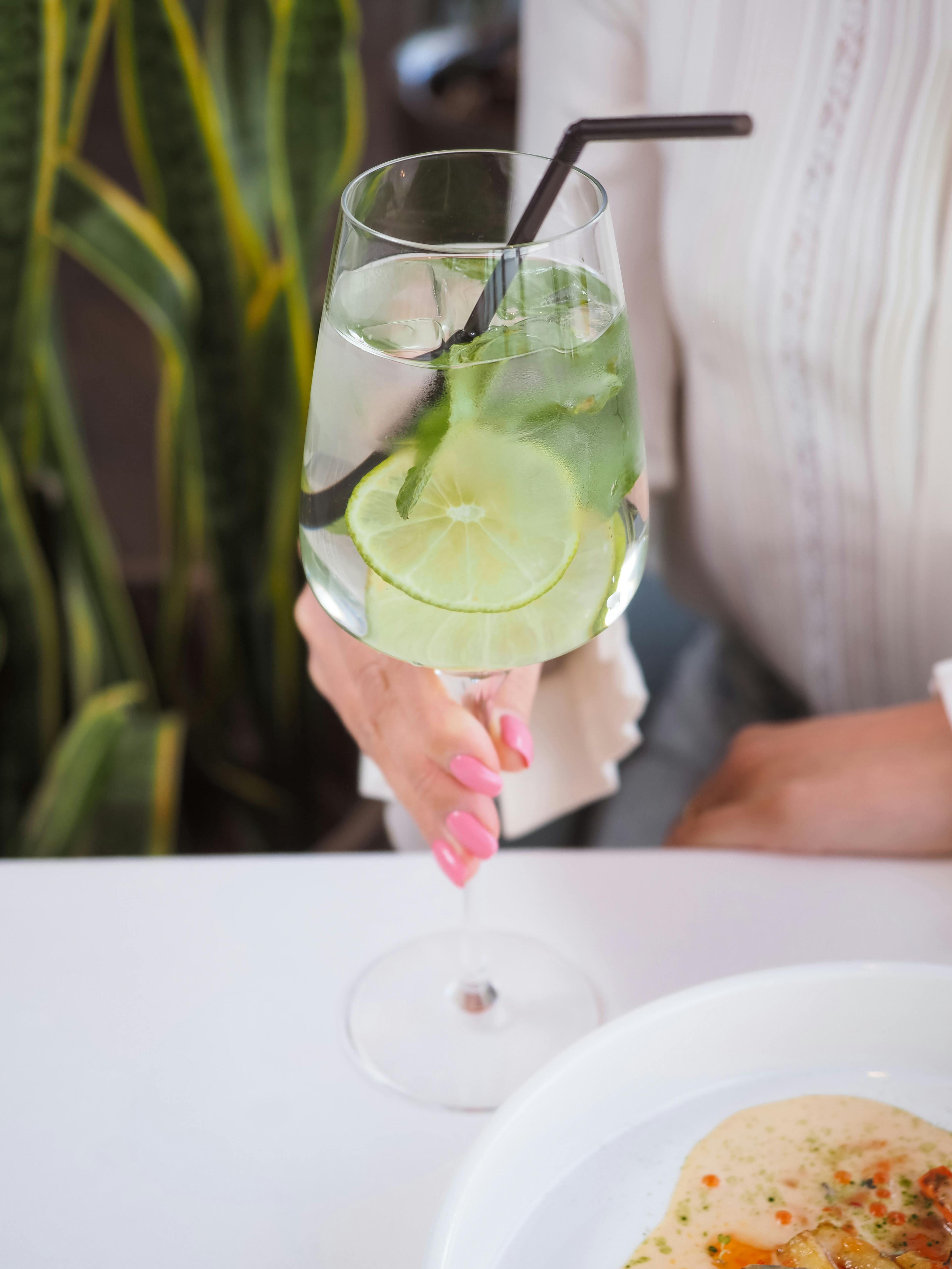
Not every Italian Spritz is bitter. In the mountain bars of South Tyrol, where the Dolomites meet Austrian culture, the aperitivo hour runs on elderflower, mint, and Prosecco instead.
The Hugo was born in 2005, when bartender Roland Gruber — working in Naturno, a small town in the Vinschgau valley of Alto Adige — decided he'd watched one too many people order the same Aperol Spritz. He wanted something that tasted like the landscape around him: the elderflower bushes on every hillside, the mint in local gardens, the crisp air off the mountains. He reportedly considered calling it the "Otto Spritz" before settling on Hugo, simply because the name sounded good and travelled well.
The first version actually used lemon balm syrup rather than elderflower — a greener, more herbal drink. But lemon balm was difficult to source commercially, so Gruber switched to elderflower liqueur, and the drink found its audience almost immediately. If you can get your hands on fresh lemon balm (melissa), it's worth trying the original. The flavour is lighter, more garden-like, and closer to what Gruber first poured.
How elderflower shaped the drink
Elderflower — sambuco in Italian, Holunder in German — has been part of Alpine food culture for centuries, used in syrups, liqueurs, fritters, and folk medicine. It has a honeyed, almost lychee-like sweetness with subtle floral and muscat grape notes. In the Hugo, it takes the place a bitter liqueur would occupy in a traditional Spritz, which is exactly why the drink appeals to people who've never warmed to Campari or Aperol.
The most widely available elderflower liqueur is St-Germain, a French product that works well here. For something closer to the drink's roots, look for Darbos Holunderblütensirup (Austrian elderflower syrup) or Roner, a South Tyrolean distillery that makes both a liqueur and a syrup from locally foraged elderflower. A small note if you're using syrup rather than liqueur: pull back the quantity slightly, since syrups tend to be sweeter and thicker.
The recipe
Hugo Spritz
- 150ml Prosecco DOC Brut (chilled)
- 30ml elderflower liqueur (St-Germain or Darbos)
- Splash of soda water
- 2–3 fresh mint leaves
- Plenty of ice — large cubes
- 1 lime wedge
Build in a large wine glass. Ice first, then elderflower liqueur, then Prosecco, then the soda splash. Drop in the mint leaves and squeeze the lime wedge lightly before resting it on the rim. One gentle stir to combine.
A bartender's trick worth borrowing: gently clap the mint leaves between your palms once before dropping them in. This releases the essential oils without the vegetal bitterness you'd get from muddling the stems. You want the menthol aroma reaching your nose as you sip — that's what lifts the whole drink. A Hugo without mint is really just sweet sparkling wine with elderflower, pleasant enough but missing the point.
Most South Tyrolean bars garnish with lime rather than lemon, and it's a helpful distinction. Lemon's sharp acidity tends to compete with the elderflower's delicate profile, while lime's rounder, slightly more bitter edge sits alongside it more comfortably. It's a small thing, but it makes a noticeable difference in the first sip.
Where the Hugo lives
The drink's heartland runs from Bolzano and Merano through Innsbruck and across into Bavaria and Switzerland. In these regions it outsells the Aperol Spritz in plenty of bars — it's just what you order when the weather turns warm, no explanation needed.
Further south, in Rome and Milan, the Hugo occupies a slightly different place on the menu. It's the drink people reach for when they want something lighter, or when someone at the table doesn't enjoy bitter flavours. It sits comfortably alongside the Aperol and Campari versions but is always understood as the gentler option.
That reputation shifts a little once winter arrives. In Tyrolean bars from November onwards, you'll sometimes see a variation where the soda water is swapped for tonic and a thin slice of fresh ginger goes in alongside the mint. The tonic's quinine adds a subtle bitter backbone that gives the drink more weight, and the ginger brings warmth. It's a different animal — heavier, more layered — and surprisingly good after a day on the slopes.
"The Hugo is not an alternative to the Spritz. It is the Spritz — the way the mountains make it."
What to eat alongside it
The Hugo's floral sweetness pairs well with lighter, fresher food. Fresh goat cheese on crostini, smoked trout on dark bread (a classic Tyrolean combination), cucumber-and-cream cheese sandwiches, or a simple caprese all work. It also gets along surprisingly well with mild Asian flavours — Vietnamese summer rolls, edamame, or lightly spiced satay.
Heavy cured meats tend to overpower the elderflower. Save the prosciutto and salami boards for a Campari Spritz instead.
One more thing worth trying if you can find a dry rosé Prosecco: a Hugo Rosé. The berry notes in the rosé add a layer of complexity that complements the elderflower beautifully, and the colour in the glass is hard to argue with.