The first time you eat a supplì correctly, you don't bite it like a meatball. You hold it gently between thumb and forefinger, pull it slowly apart at the middle, and watch the mozzarella inside stretch into a long thin thread that refuses to break. The Romans call this the telefono — the phone cord. It's the only test that matters. A supplì that doesn't stretch is a supplì that has been sitting too long, or one made with the wrong cheese, or one made by someone who doesn't understand what the dish is for.
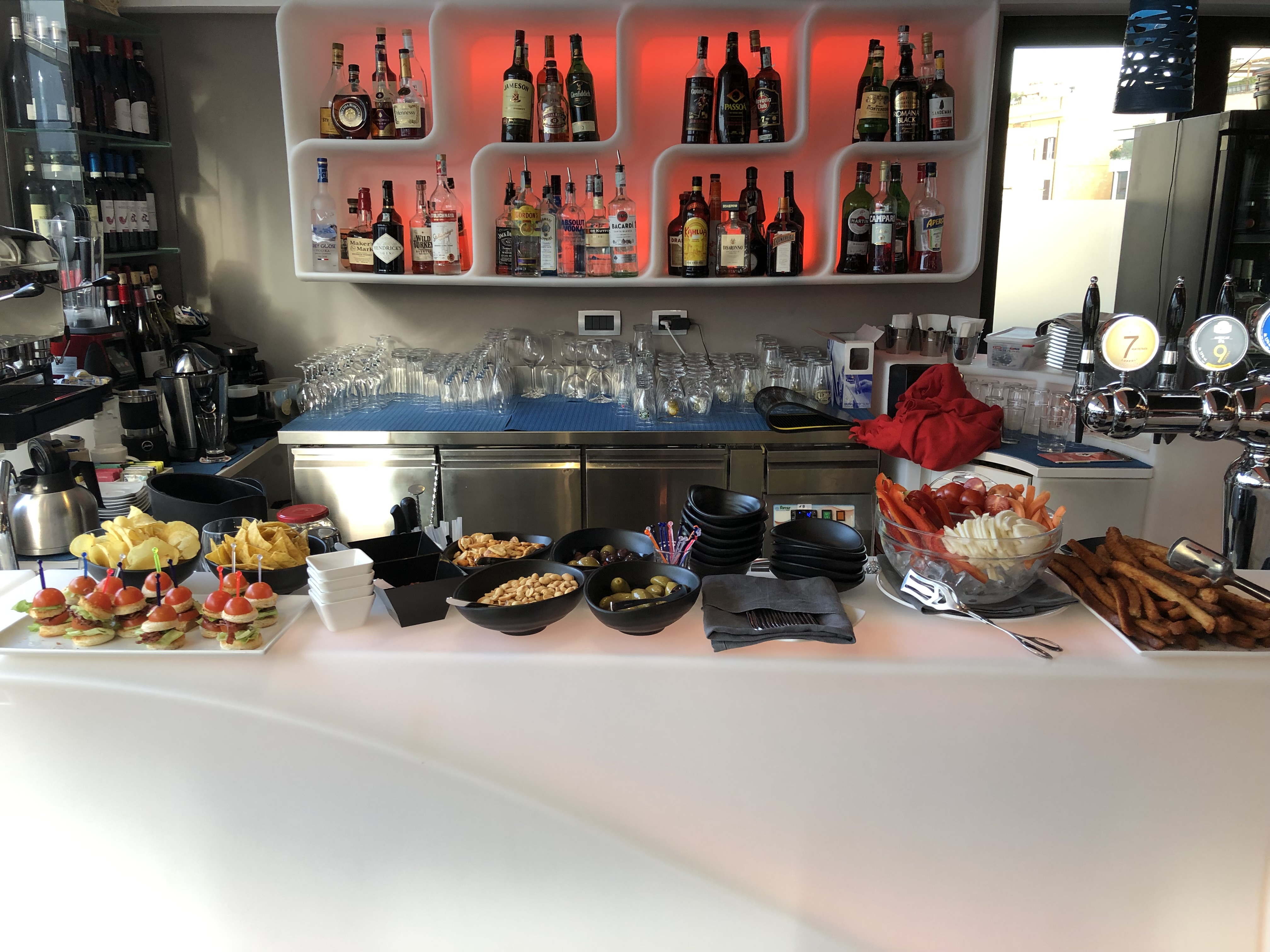
This is what you eat in Rome at 6:45pm with a cold Aperol Spritz or a small glass of Frascati. Every pizzeria al taglio puts them out at aperitivo hour. Every bar with a counter has them in a tray by the till. They cost €1.50, sometimes €2. They are gone twenty seconds after they come out of the fryer.
It's not an arancino. Please.
The first thing visitors do is confuse supplì with arancini, and the confusion is reasonable — both are fried, both are made of rice, both involve cheese. But they are different dishes from different cities with different intentions. Arancini are Sicilian. They are large — sometimes the size of a small orange, which is what the name means. They come stuffed with ragù or ham and peas or spinach and cheese, and they tend to be a meal in themselves. You sit down to eat one.
Supplì are Roman. They are smaller — oval, about the length of your thumb — and they are not a meal. They are bar food, eaten standing, eaten quickly. The filling is one thing only: mozzarella. The rice is bound with a thin tomato base rather than the heavier saffron-and-meat construction of an arancino. And the telefono — the cheese pull — is the whole point. A Sicilian arancino is a thing to admire and consume. A Roman supplì is a thing to perform with.
If you tell a Roman their supplì is "basically just an arancino," they will be polite about it. They will also not invite you back.
The history nobody can quite verify
Supplì as a dish probably predates the corded telephone — Roman friggitorie were selling rice fritters in the late 19th century, and the word supplì is a Roman corruption of the French surprise, the surprise being the cheese inside. The al telefono name came later, in the 1920s or 30s, once telephones with handsets and cords were familiar enough for the metaphor to land. By the 1950s it was the standard description, and the test — pull it apart, look for the cord — was already an old joke about how to spot a good one.
The cord, of course, is now mostly a cultural artefact. Anyone under thirty has never used a corded phone. The name persists anyway, because the gesture persists. You pull the supplì apart. The cheese stretches. The cord is the cord.
What goes wrong
Three things ruin a supplì, and all of them are common:
Wrong rice. Carnaroli holds its shape and gives you starch without falling apart in the oil. Arborio works too — slightly softer, slightly more forgiving. What does not work is any long-grain rice, any par-cooked rice, or — worst of all — leftover boiled rice that has been moistened with something. The rice has to be a proper risotto, finished and cooled and stiff.
Wrong cheese. Fior di latte (cow's milk mozzarella) is what you want. It has enough moisture to melt into long threads but not so much that it floods the inside of the supplì and turns the rice into porridge. Buffalo mozzarella is too wet — it makes a beautiful tear when it works, but more often it leaks and ruins the texture. Some Roman friggitorie use scamorza or provola for an even better pull. Both work. What does not work is pre-shredded mozzarella, which has anti-caking agents that prevent the cheese from melting cleanly.
Eating them too late. A supplì is best within sixty seconds of leaving the oil. At two minutes it's still very good. At five minutes the outside has started to lose its crisp, and the cheese inside has cooled enough that the cord shortens. At ten minutes, you have a sad cold rice ball. Roman bars solve this by frying small batches every twenty or thirty minutes, never frying ahead. At home, do the same. Fry when the guests arrive, not when you start cooking.
The recipe
Ingredients (makes 12)
- 300g Carnaroli rice (or Arborio if you can't find it)
- 700ml light chicken or vegetable broth, kept hot
- 200g tomato passata
- 1 small onion, finely diced
- 50g Parmigiano Reggiano, grated
- 2 tbsp extra virgin olive oil
- 1 small glass of dry white wine (optional but recommended)
- Salt and pepper
- 150g fior di latte mozzarella, cut into 12 small cubes (about 1cm each)
For coating
- 2 eggs, beaten
- 150g fine breadcrumbs (not panko — too coarse)
For frying
- 1 litre sunflower or peanut oil
- Sea salt flakes
Method
1. Make the base. Sweat the onion in olive oil over low heat for 6–8 minutes until soft and translucent. Do not brown. Add the rice and toast for one minute, stirring, until the grains turn slightly translucent at the edges. Add the white wine if using and let it evaporate completely.
2. Cook the risotto. Add the tomato passata and stir. Begin adding hot broth one ladle at a time, stirring frequently and waiting until each ladle is absorbed before adding the next. This takes about 18 minutes. The rice should be tender but with a slight bite — slightly past al dente, because it will firm up as it cools. Stir in the Parmigiano. Season carefully — the cheese is salty.
3. Cool it properly. Spread the risotto on a wide tray or large plate in an even layer no thicker than 2cm. Cover loosely and refrigerate for at least 3 hours, ideally overnight. Cold risotto is the only kind you can shape. Warm risotto will fall apart in your hands and again in the fryer. Do not skip this step.
4. Shape. Wet your hands lightly. Take a heaped tablespoon of cold rice and flatten it in your palm. Press a cube of mozzarella into the centre. Close the rice around it and shape into an oval the length of your thumb. The mozzarella should be completely sealed inside — any cheese poking through the surface will leak during frying. Place on a tray.
5. Bread them. Roll each supplì in beaten egg, then in breadcrumbs, pressing gently so the coating adheres evenly. For a thicker, crunchier shell, double-bread them: egg, breadcrumbs, egg again, breadcrumbs again. This is what Roman friggitorie do. It's worth the extra step.
6. Rest before frying. Refrigerate the breaded supplì for at least 20 minutes. This firms up the coating and stops it cracking in the oil. Friggitorie often bread them in the morning and fry them all afternoon as orders come in.
7. Fry. Heat oil to 175°C. Fry no more than four at a time — too many drops the temperature and they absorb oil. Cook for 3–4 minutes, turning gently, until deep golden brown. The inside needs time to warm through enough to melt the mozzarella, so don't pull them early. Drain on a wire rack.
8. Serve immediately. Salt the moment they hit the rack. Eat within two minutes — by minute five the cheese has cooled enough that the telefono is gone. Pull each one apart at the middle. Look for the cord.
What to drink with them
A supplì is salty, fatty, and crisp. The mozzarella is rich. The fried coating asks for something with bubbles or bitterness — ideally both — to keep the palate moving.
- Beer — the default at Roman bars. A cold Birra Moretti, Peroni, or any light Italian lager. The carbonation cuts the fat; the slight maltiness sits underneath without competing. If you want to do exactly what Romans do, drink beer with supplì.
- Campari Spritz — the bitter version is better than the Aperol version here. The mozzarella and the tomato base both want something that punches back. Campari's bitterness handles the richness in a way Aperol can't quite manage.
- Frascati — Rome's local white wine, dry and slightly mineral, perfect for fried food. A small carafe of house Frascati at any Roman trattoria costs €4 and pairs with everything on the antipasti list.
- Negroni Sbagliato — Prosecco instead of gin, which makes the drink lighter and more bubbly while keeping the Campari-and-vermouth backbone. Excellent with anything fried.
What to avoid: anything too heavy or too sweet. A full Negroni is too strong against the delicacy of the mozzarella inside. Aperol works but feels sweet against the tomato. Wine that is too oaky or too fruity (a Chardonnay from California, a buttery white from Sonoma) will fight the supplì rather than support it. Stick to dry, light, mineral, and bitter.
The cord
The telefono is mostly nostalgia at this point. Most people under thirty have never used a phone with a cord. But the gesture survives because the gesture is what makes the dish what it is — not a piece of fried rice, but a small ritual that asks you to slow down for two seconds and watch the cheese stretch. You can eat a supplì in three bites. The good Roman version asks you to use four, because the second bite is the one where you pull it apart and look.
Every city has a food that requires a small piece of theatre to eat correctly. In Naples it's the way you fold a slice of pizza. In Bologna it's the way you twirl tagliatelle against the curve of the spoon. In Rome — at the bar, at 7pm, with a cold beer in your other hand — it's the moment you pull the supplì apart and see whether the cord holds.